How Social Security Disability Helps Federal Workers
Social Security Disability Insurance, often called SSDI, is a federal benefit that can provide monthly income when a serious physical or mental condition prevents you from performing substantial work. For many federal employees, SSDI is part of a broader safety net that can also include OPM disability retirement and, in some cases, agency-specific programs. Understanding how these pieces work together is important before you make major decisions about your career.
If you are a current or former federal worker in or near Lawrenceville, your day-to-day reality may involve following internal agency procedures, responding to performance reviews, and managing medical leave. When health problems reach the point that you cannot perform essential duties, questions arise about whether to pursue reassignment, request accommodations, apply for OPM disability retirement, or file for SSDI. Each option has its own rules and timelines, and choices in one area can affect the others.
Our attorneys regularly advise federal employees on issues like disability discrimination, wrongful termination, and Title 38 employment standards for VA doctors and nurses. These matters often overlap with Social Security Disability claims. For example, evidence that shows your agency why you cannot safely perform your job duties may also help demonstrate to the Social Security Administration that you meet their definition of disability. We work to help you think about your documentation, medical records, and work history in a coordinated way.
For many clients, one of the most difficult questions is timing. You might still be on the job but struggling, or you might already be on extended leave. Filing for SSDI too early or too late can create practical challenges. During a free consultation, our team can walk through where you are in your employment process and discuss how SSDI typically fits for federal workers in similar situations.
When To Talk With A Disability Benefits Lawyer in Lawrenceville
Not every SSDI application requires formal legal representation. Some federal employees in the Lawrenceville area have relatively straightforward medical histories and work records, and they may feel comfortable filing an initial claim on their own. Others face complicated employment situations, such as pending removals, performance actions, or long-running medical issues that have been handled informally at work. In those circumstances, getting advice from a disability benefits attorney can provide important protection.
We often speak with federal employees who are unsure whether it is the right time to contact a lawyer. Our goal is to give you candid feedback. In some cases, we may tell you that you appear to have a strong initial SSDI claim that you can likely submit yourself and then explain when to reach out again if problems arise. In other situations, particularly where there is an SSDI denial or a conflict with your agency, having legal counsel involved earlier can help you avoid missteps.
Situations where a conversation with a disability benefits lawyer is especially helpful include:
- You received an SSDI denial and are unsure how to appeal or what deadlines apply.
- You are facing removal, demotion, or pressure to resign from a federal position because of medical limitations.
- Your agency questions whether your condition is truly disabling or suggests you can work in ways your doctor disagrees with.
- You are a VA doctor or nurse covered by Title 38 and need to understand how SSDI interacts with your specific employment rules.
- You are considering OPM disability retirement and SSDI together and want to understand how they may affect each other.
Steps To Take Before & After An SSDI Denial
Deciding whether to apply for SSDI is a significant step for any federal employee. Before you file, it is helpful to look carefully at how your medical condition affects your essential job duties and your ability to perform other work. Honest conversations with your treating providers about your limitations and clear documentation of how your symptoms appear during a typical workday can be important pieces of evidence.
Federal workers in the Lawrenceville area often juggle agency requirements, leave policies, and local medical appointments while thinking about SSDI. If you are still working, consider how often you miss work, need unscheduled breaks, or rely on co-workers to perform tasks you used to handle alone. If you are already out of work, gather records that show the timeline of your leave and any communications from your agency about your status. These details can help the Social Security Administration understand the full picture.
When an SSDI claim is denied, timing becomes critical. Appeal deadlines are strict, and missing them can mean starting over. You may also be dealing with related employment actions, such as a proposed removal or a dispute about your ability to return to duty. Speaking with a social security benefits lawyer at this stage can help you decide on a strategy that protects both your benefits claim and your position in any ongoing federal employment processes.
Before you contact an attorney, it can be useful to gather:
- Social Security notices about your claim or denial, including any explanation of the decision.
- Recent medical records, test results, and statements from treating providers about work limitations.
- Position descriptions, performance reviews, and key emails or letters from your agency about your ability to work.
- Information about any OPM disability retirement application or decision, if you have started that process.
- Copies of any EEO complaints or grievances that relate to your medical condition or requested accommodations.
Understanding Federal Disability Standards And Evidence
Federal employees often have questions about how disability is defined in different settings and what kind of proof is expected. SSDI uses a strict standard that looks at whether you can perform substantial gainful activity in the national economy, while OPM disability retirement focuses on your ability to perform the essential duties of your federal position or a suitable placement. For workers in the Lawrenceville area who are also dealing with agency medical determinations, it can be confusing to keep these standards straight and to understand how one finding may influence another.
Because these systems apply different tests, the same medical condition might be viewed differently in an agency fitness-for-duty review, an OPM disability retirement file, and an SSDI claim. That does not mean you should change your story. Instead, it is important to gather consistent medical evidence that clearly explains your limitations over time and documents any efforts you made to keep working. Records from local providers, notes about your attempts to use leave or accommodations, and written descriptions of how your symptoms affect tasks at federal worksites such as facilities in downtown Atlanta or on federal campuses near Lawrenceville can all support a clearer picture.
Many federal employees underestimate the value of detailed, real-world examples when describing their limitations. It can help to keep a short log of days when your condition prevented you from commuting, staying at your workstation, or completing tasks within normal timeframes. Sharing that information with your treating providers can make their statements more specific, and it can also help align what appears in agency files with what you present to the Social Security Administration. A disability benefits lawyer can then work with this information to help ensure that the evidence for your SSDI claim and your federal employment matters is as consistent and complete as possible.
Frequently Asked Questions
Do I Need A Lawyer For My SSDI Claim?
Many federal employees file an initial SSDI application without a lawyer, especially when their medical and work history is straightforward. A disability benefits attorney can be particularly helpful if your claim is denied, your case is complex, or you are dealing with agency actions at the same time.
How Do SSDI And OPM Disability Retirement Work Together?
SSDI and OPM disability retirement are separate programs with different standards, but they often interact for federal employees. The same medical evidence may be relevant to both. Our firm helps clients understand typical coordination issues and how one benefit may affect the timing or amount of the other.
Can Your Firm Help Me If I Live In Lawrenceville?
Yes. Pines Federal represents federal employees nationwide, including those who live in Lawrenceville and work at agencies in the Atlanta metro area. We communicate by phone and secure electronic methods, so you can receive tailored advice without traveling to our physical offices.
When Should I Call If My SSDI Claim Was Denied?
You should consider calling promptly after receiving a denial, because appeal deadlines are strict. Early review allows our team to look at the decision, your medical evidence, and any related federal employment issues and to discuss realistic options for moving forward.
Talk With A Social Security Benefits Lawyer
Finding your way through SSDI, OPM disability retirement, and federal employment rules at the same time is difficult to do alone, especially when you are also managing a serious medical condition. You deserve clear information about your options and support from attorneys who understand the world of federal employment.
At Pines Federal, our attorneys represent only federal employees. We bring more than 60 years of combined experience to questions about Social Security Disability, disability discrimination, wrongful termination, and Title 38 issues. If you live in or near Lawrenceville and are unsure about your next step, we invite you to talk with us about your situation in a free consultation.
Call (832) 462-7655 to schedule your free consultation with our team.













 Eric Pines Attorney
 Allan Feldman Attorney, Litigation Supervisor
 Michael Kleinman Attorney
 Jadyn Marks Attorney
 Elliott Cin, Of Counsel Attorney
 Menucha Slater Legal Assistant
 Aaron Sacks SSDI Assistant
 Michal Solomon Intern
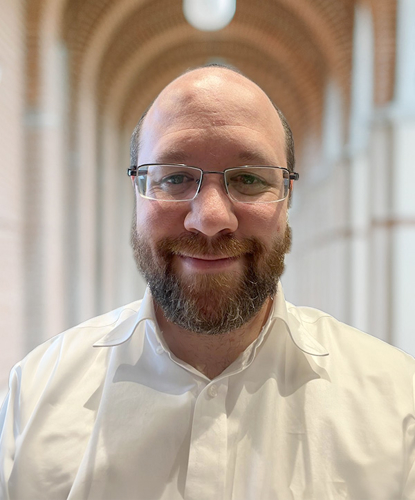 Ari Rosen Paralegal, OPM Supervisor
 Nicole Marquadt Paralegal, OPM Specialist
 Michelle Cerrato Disability Specialist, OPM Specialist
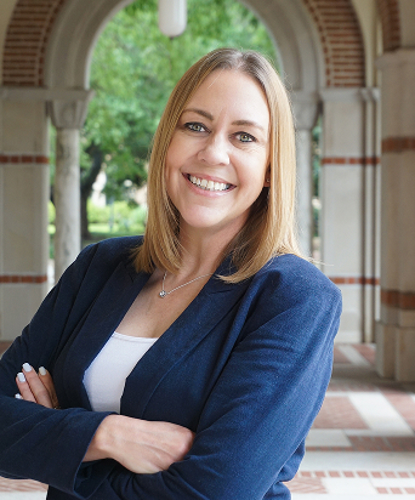 Courtney Bolton SSDI Supervisor
 Asher Meir Pines Legal Assistant
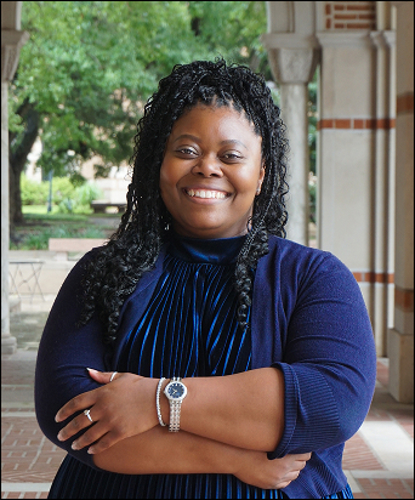 Angelica Holt Intake Specialist
 Charlotte Mahar Chief of Staff
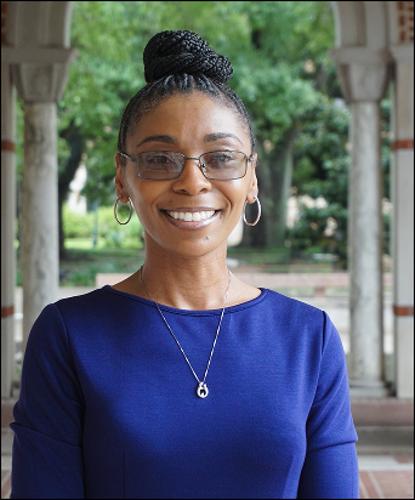 Quarshunna Young SSDI Case Manager
 Brandon Rubin OPM Specialist
 Avigail Pines OPM Specialist
 Ethan Price OPM Specialist
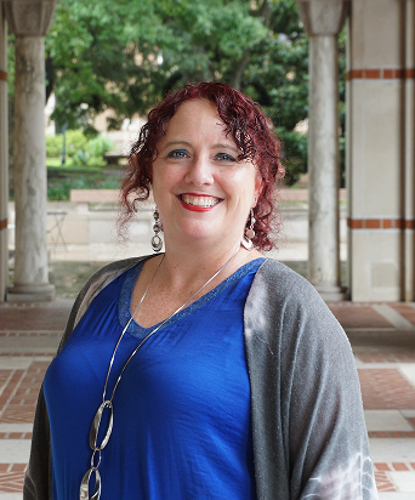 Elisabeth Madden Intake Specialist
 Lidia Carrillo Intake Administrative Assistant
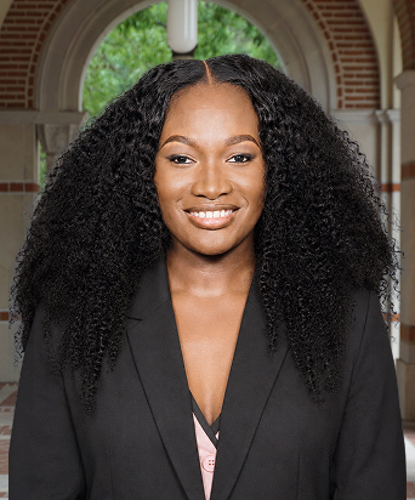 Kimberley Netshivhale Marketing Coordinator