Social Security Attorney In Parkville
Support For Federal Employees Who Can No Longer Work Because Of Disability
Federal employees facing disability don’t just have a Social Security question. They have an employment question, a retirement question, and often an agency action question, all at once. Pines Federal represents only federal employees and approaches Social Security Disability, OPM disability retirement, and FERS benefit coordination as a single connected picture. With more than 60 years of combined experience in federal employment law, the firm serves clients nationwide from its Columbia, Houston, and Ellenwood offices. Free consultations are available for SSDI and OPM disability retirement matters.
If you’re a federal worker in Parkville, Maryland, dealing with a medical condition that’s affecting your ability to do your job, the intersection of these systems is exactly where a social security disability attorney with a federal-employment focus can make a difference. The firm addresses how SSDI interacts with FERS retirement and Title 38 VA employment in a way that reflects its federal-only practice.
Federal employees with disability questions deserve counsel built around federal systems. Call (832) 462-7655 to schedule a free consultation with Pines Federal.
The Federal Disability Landscape Near Parkville, MD
Many federal employees in Parkville commute to the Social Security Administration headquarters in Baltimore, the Loch Raven VA Medical Center, or the Perry Point VA Medical Center. The VA Maryland Health Care System operates across a 15-county area in central Maryland, employing physicians, nurses, and administrative staff under both standard civil service and Title 38 frameworks.
When a health condition limits your ability to perform your duties, the experience is different from what a private-sector worker faces. Federal employment carries strict attendance expectations, performance standards tied to clearance eligibility, and retirement benefits structured under FERS or CSRS. A gradual functional decline may show up first as exhaustion at the end of a shift, then as missed deadlines, then as a message from HR about attendance. Each of those developments has legal and financial implications that go far beyond the medical question alone.
Federal Employees in Parkville Facing Disability Challenges
Many people who live in Parkville commute to federal agencies and VA medical facilities in nearby Baltimore and the surrounding region. When a health condition limits your ability to perform your duties, the impact can be very different for a federal worker than for someone in a private sector job. You may be dealing with complex performance expectations, security clearance concerns, or strict attendance rules at the same time that your body or mind is struggling.
Federal employees in this area often describe a gradual change. Tasks that used to be routine become exhausting or impossible. Medical appointments increase, supervisors start to ask more questions, and you may worry every time a new email arrives from HR. Some workers are on extended leave, while others are trying to keep working through pain or mental health symptoms because they are afraid of losing income.
In that situation, it is natural to wonder how Social Security Disability benefits, OPM disability retirement, or other disability insurance might help. It is also common to be unsure about where to start. Our attorneys work to meet you at that point and explain how these systems work for federal employees, not in general terms, but in the context of your specific agency and career path.
How Our Attorneys Help With Social Security Disability & Disability Insurance For Federal Employees
For a federal worker, disability is rarely just a medical or Social Security question. It nearly always affects your employment status, your leave, and your retirement. Our attorneys focus on that full picture. When you contact our firm, our team looks at your medical limitations, your job duties, your federal service history, and where you are in the process with your agency.
During a free consultation, we discuss your current symptoms, treatment, and work restrictions, and we listen to how your condition is affecting your performance and attendance. We then talk through how Social Security Disability may fit into your situation and whether you should also consider OPM disability retirement or other benefit options tied to federal service. Our goal is to give you a realistic sense of what each path involves and how they might interact.
Not every person who calls us needs a social security disability attorney. Sometimes, a federal employee is in a good position to apply for SSDI on their own, especially in straightforward cases. In other situations, the combination of medical evidence, prior denials, or overlapping employment issues makes legal guidance more important. Our team explains where you fall on that spectrum so you can decide whether to move forward with representation.
When you contact our firm about disability-related questions, our attorneys can assist federal workers in several concrete ways:
- Reviewing your current status so you understand how your medical restrictions, leave usage, and pending agency actions may affect a potential SSDI or OPM claim.
- Helping you prioritize steps such as documenting symptoms, requesting reasonable accommodations, or deciding when to submit a Social Security Disability application.
- Identifying potential risks if you are already facing performance or conduct investigations, and explaining how benefit decisions might interact with those processes.
- Coordinating with your schedule if you work for a federal agency in the Baltimore–Washington corridor and need to balance treatment, commuting, and agency expectations while you explore your options.
Why Federal Employees Choose Pines Federal For Disability Related Claims
Federal employment law is its own world, with unique rules, procedures, and deadlines. Pines Federal has chosen to represent only federal employees, never agencies or private employers. That choice means our attorneys spend every day focused on the systems that govern your working life, including disability related rules, disciplinary procedures, and benefit programs. For a federal employee who needs help with disability benefits, this focus can be an important advantage.
Our team has more than 60 years of combined experience handling complex issues such as wrongful termination and disability discrimination involving federal agencies. Many of our clients come to us because their health condition is not just a medical problem. It is also a factor in performance reviews, clearance questions, or proposed removals. We understand how to frame disability issues in that broader employment context so that your rights are protected while you pursue benefits.
We also represent VA doctors and nurses in Title 38 matters, which involve their own set of procedures and standards. If you work at a VA facility near this area and are facing disability related questions, it can be reassuring to work with a firm that already knows the Title 38 framework. Across all these matters, our reputation has been built on being a steady, informed advocate for federal employees who are navigating some of the most stressful periods of their careers.
Because we know that financial strain is a major concern when you are unable to work, we offer free consultations specifically for OPM disability retirement and SSDI questions. During that time, we focus on your situation and whether legal representation would add real value for you.
Federal employees in Parkville often describe several reasons for working with our firm on disability-related matters:
- Exclusive focus on federal workers so your questions about agency procedures, MSPB timelines, and benefit interactions are addressed from a federal employment perspective.
- Experience with complex fact patterns where medical issues overlap with security clearance concerns, proposed removals, or long-running performance disputes.
- Familiarity with local realities for employees who live in communities like Parkville but work at federal facilities in Baltimore, Washington, D.C., or other nearby hubs.
- Clear communication about value so you receive an honest assessment of whether hiring an SSD attorney is likely to change the outcome of your situation.
What To Do If You Can No Longer Perform Your Federal Job Because Of A Disability
Realizing that you may not be able to continue in your federal position is difficult. Taking a few structured steps can help you protect your health and your financial future while you decide on next moves. These steps are general guidance, and your specific situation may call for additional actions that we can discuss with you directly.
Work With Your Medical Providers
First, work with your medical providers to document limitations:
- Explain your actual job duties, not just your job title, so providers can connect your symptoms to specific tasks.
- Ask that your records reflect how long you can sit, stand, concentrate, or handle stress, and how often you need rest or breaks.
- Keep copies of visit summaries, test results, and referrals, since these documents often support both SSDI and employment related decisions.
Preserve Information About Your Work Situation
Second, preserve information about your work situation:
- Save performance evaluations, emails with supervisors or HR, and any documentation about accommodations or leave.
- Make notes for yourself about days when your condition prevents you from completing normal tasks, and what adjustments you have had to make.
- If your agency has raised concerns about your performance or attendance, keep copies of those communications as well.
Consider Your Benefit Options
Third, consider your benefit options in sequence, not in isolation:
- Social Security Disability can provide monthly income if you have enough work credits and your condition prevents substantial gainful activity.
- OPM disability retirement may be an option for some federal employees who cannot perform useful and efficient service in their position due to medical issues.
- Other disability insurance policies, if you have them, can also affect how these benefits interact.
Because the timing of applications and employment decisions can affect both your income and your long term retirement picture, it is wise to get advice before making irreversible choices. Our attorneys can walk you through the sequence that often works best for federal workers in similar circumstances, and we can identify where your situation is different.
Understanding Social Security Disability For Federal Employees In Parkville
Social Security Disability Insurance is a federal program that provides monthly benefits to workers who have paid into the system and who become unable to engage in substantial gainful activity because of a qualifying impairment. Although federal employees participate in this program like many other workers, the questions that arise for them are often more complex. They must consider how SSDI interacts with their federal salary, leave status, and eventual retirement benefits.
To qualify for SSDI, you generally need a sufficient work history and a medical condition that has lasted, or is expected to last, at least 12 months or result in death. The Social Security Administration looks at your medical evidence, your past work, and your functional limitations. For a federal employee, this review can involve a detailed picture of duties and responsibilities that may not match a simple job title or civilian role.
Federal workers in this area also need to understand how SSDI relates to their civil service or FERS benefits. For example, an award of SSDI may have an impact on certain federal disability retirement benefits. These interactions depend on the type of benefits you receive and your individual service history. Our attorneys work to explain these issues clearly so that you can see how a potential SSDI claim fits into your overall financial plan as a federal employee.
Common questions federal employees ask about SSDI include:
- How detailed medical documentation should be for Social Security to understand job demands.
- Whether they should apply for SSDI before, after, or at the same time as OPM disability retirement.
- How part time work or temporary assignments may affect an SSDI application.
Our role is to translate the language of Social Security Disability into terms that make sense within your federal career, so that you can make informed decisions rather than guesses.
Learn more about how we can help you by contacting us online or by calling (832) 462-7655 today!
How A Social Security Disability Attorney In Parkville Assists Federal Workers
For many federal employees, the most confusing part of seeking disability benefits is understanding who does what and when to ask for legal help. A social security disability attorney Parkville residents contact for guidance does more than fill out forms. Legal counsel can help you identify which benefits you may realistically qualify for, how those benefits could affect your income, and what evidence will be most persuasive to the agencies reviewing your claim. This guidance is often especially important if you are balancing treatment at local providers, commuting to a federal facility near Baltimore, and trying to follow instructions from multiple government offices.
When you work with our team, we review the entire path of your potential claim, from the first application through possible appeals. That can include helping you understand notices from the Social Security Administration, suggesting ways to organize your medical records, and pointing out gaps that might cause confusion for a claims examiner. For federal workers in the Parkville area, we also look at how your schedule, commute, and agency demands have changed over time because those details often support what your doctors say about your functional limits.
We also pay close attention to how your disability story is told across different systems. The information you provide to Social Security, to your agency, and to the Office of Personnel Management should not conflict without a clear reason. Our attorneys work with you to prepare consistent descriptions of your limitations and job duties so that decision makers at each step—whether in a Social Security field office, at an OPM center, or in an agency HR department—see the same picture. That consistency can reduce avoidable delays and give you a clearer sense of what to expect as your case moves forward.
Coordinating SSDI With OPM Disability Retirement & Other Federal Benefits
For many federal employees who cannot continue in their positions, the most difficult part of planning is not any single benefit, but how those benefits fit together. Social Security Disability, OPM disability retirement, and other income sources often interact. The order in which you apply, and the way information is presented in each process, can influence both short term and long term outcomes.
OPM disability retirement is a federal benefit that may be available to eligible employees who are unable to render useful and efficient service because of a medical condition. The standards, forms, and processes are not identical to SSDI, and they involve different agencies and review bodies. At the same time, some federal employees are required or encouraged to apply for SSDI as part of their OPM disability retirement process, and certain benefits can be offset based on what Social Security pays.
In addition, disability related issues sometimes appear alongside proposals for removal, demotions, or allegations of misconduct. A worker who is struggling with a serious health condition may find that performance or attendance issues quickly become part of a formal process that feels threatening. In those cases, disability discrimination concerns and wrongful termination risks must be considered alongside benefit planning.
Our attorneys approach these questions by looking at your situation as a whole. We review where you are with your agency, what benefits you may be eligible for, and what timelines apply to each system. We then outline options and likely tradeoffs so that you can decide how to proceed. We do not control decisions by Social Security or OPM, but we work to ensure that your applications and responses reflect your medical realities and your federal employment history in a clear, consistent way.
When we help federal employees sort through overlapping disability benefits, the discussion often includes several key topics:
- Eligibility and timing for SSDI, OPM disability retirement, and any agency-specific programs that might apply to your position.
- Potential offsets and income changes so you understand how an SSDI award could affect payments you receive under federal retirement systems.
- Impact on your career path if you are considering reassignment, reasonable accommodation, or separation from federal service as part of your planning.
- Deadlines and appeal windows that may apply in MSPB proceedings, EEO matters, or benefit appeals, particularly if your case involves a federal employer located in the Baltimore–Washington region.
Frequently Asked Questions
Do I Need A Lawyer To Apply For Social Security Disability As A Federal Employee?
Some federal employees are able to complete an SSDI application on their own, while others benefit from working with a social security disability attorney. If your medical condition and work history are straightforward and you are not also dealing with complex employment actions, you may feel comfortable beginning the process without representation. However, if you have a long or complicated medical record, prior denials, or overlapping issues such as proposed removal or accommodation disputes, legal guidance can be more important.
During a free consultation, our attorneys review your situation and give you an honest view of whether hiring a lawyer is likely to improve your position. Our goal is not to involve ourselves in every case, but to step in where our experience with federal employment law and disability benefits can truly help. If we believe you can manage the SSDI process effectively on your own, we will tell you that.
How Does SSDI Affect My Federal Retirement & OPM Disability Benefits?
SSDI can interact with OPM disability retirement and other federal benefits in several ways, depending on your specific retirement system and the type of benefits you receive. For some federal employees, an SSDI award may reduce or offset certain disability retirement payments. In other situations, SSDI and OPM disability retirement function together to provide a more stable income over time.
The exact effect depends on factors such as whether you are under FERS, how long you have worked in federal service, and which benefits you are approved for. Our attorneys explain these interactions in plain language, using your service history and benefit structure as the basis for the discussion. We do not provide financial or tax advice, but we help you understand the rules that apply so you can make thoughtful decisions about applications and timing.
I Work For A Federal Agency Near Parkville & My Health Is Declining. When Should I Talk With Your Team?
It is usually better to seek guidance sooner rather than later when you notice that your health is affecting your ability to perform your duties. Warning signs include needing extended periods of leave, receiving new or unexpected performance critiques, difficulty meeting deadlines that used to be manageable, or struggling to maintain focus or physical stamina throughout the day. If you have already been counseled by your supervisor or contacted by HR about your performance or attendance, that is another indication that it may be time to talk with an attorney.
Reaching out at an earlier stage gives you more options. Our team can help you understand how accommodations, leave, SSDI, and OPM disability retirement may fit into your situation, and how potential agency actions might intersect with those options. Even if you decide not to move forward with a claim right away, you will have a clearer picture of what to watch for and how to prepare.
Can You Help If My Agency Is Pushing Me Out Because Of My Disability?
Yes, our firm represents federal employees who believe that their health condition is a factor in adverse actions such as proposed removals, demotions, or other discipline. Disability can be wrongly framed as misconduct or poor performance if supervisors or HR do not fully understand how your condition affects your work. In those situations, you may be facing both the loss of your job and the need to secure disability related income.
Our attorneys handle wrongful termination and disability discrimination matters for federal employees, and we also advise on related disability benefit issues. That combination allows us to look at how your agency’s actions connect to potential SSDI or OPM disability retirement claims. While outcomes depend on the facts and on agency decision makers, we work to protect your rights and to position you as well as possible for both employment and benefits decisions.
What Happens During A Free Consultation About SSDI Or OPM Disability Retirement?
During a free consultation, you will speak with a member of our team about your work history, your medical condition, and any current issues with your agency. We typically ask about your job duties, how your symptoms interfere with those duties, and what treatment you are receiving. We may also discuss any prior applications you have filed, deadlines you are facing, and documents that could be helpful for a more thorough review.
After gathering that information, we outline the main benefit options that appear relevant, such as SSDI, OPM disability retirement, or other disability related claims tied to your federal employment. We then share our view on whether legal representation is likely to help in your situation and what that representation would generally involve. The consultation is meant to give you clarity, not to pressure you, so you can decide on next steps at your own pace.
Do You Represent VA Doctors & Nurses With Disability Related Issues?
Yes, Pines Federal represents VA doctors, nurses, and other Title 38 medical professionals in disability related employment matters. These positions are governed by specific rules and procedures that differ from many other federal roles. Disability can affect not only your ability to practice medicine or provide care, but also your status within the VA system and your access to certain benefits.
Our attorneys are familiar with Title 38 frameworks and the particular challenges VA medical staff face when health conditions interfere with their work. When disability issues arise, we can address both the employment aspects and the related benefit questions, including SSDI and applicable disability retirement options. We tailor our counsel to the structure and demands of VA practice so that your rights and career are considered together.
If I Live In Parkville But My Agency Is Based Elsewhere, Can You Still Help Me?
Yes, our firm maintains a nationwide practice that serves federal employees regardless of where their agency is headquartered. Many federal workers who live in Parkville commute to positions tied to agencies or facilities in other states or regions. Because the issues we handle are governed primarily by federal law and national benefit programs, your physical location typically does not limit our ability to represent you.
We regularly assist clients who live in one state, work for an agency based in another, and have cases or claims reviewed by federal offices in yet another location. During your consultation, we will confirm any jurisdictional details that matter for your specific situation. You can contact us from where you live, and we will guide you through the process using phone, email, and secure document sharing.
Talk With Our Team About Your Disability Benefits Options
When your health prevents you from doing your federal job, you deserve clear information and steady guidance. If you are considering Social Security Disability, OPM disability retirement, or other disability related options as a federal employee in Parkville or the surrounding area, speaking with an attorney who focuses on federal workers can make the process less overwhelming. Our team will listen to your story, review your situation, and explain how the different benefit systems and employment rules may apply to you.
Pines Federal offers free consultations for federal employees who have questions about SSDI and OPM disability retirement, and we are committed to giving you an honest view of whether legal representation is appropriate for your case. We understand the pressure of trying to manage medical treatment, family responsibilities, and agency expectations at the same time. Our goal is to help you move from uncertainty to a clearer plan so you can focus on your health while protecting your income and your future.
To discuss your options with a social security disability lawyer Parkville federal employees trust, call (832) 462-7655.

As Seen On










Trusted By Federal Workers Nationwide
-
“Even though I had an overwhelming abundance of anxiety about going through a legal proceeding, Mr. Pines’ humor and expert advice helped get me through the EEO process until it was successfully resolved. I always felt that the Pines Federal team had my best interests at heart and always treated me with kindness and dignity.”- Michelle S.
-
“A change in leadership brought me the worst of luck with a suddenly very hostile work environment, but pure serendipity led me to Pines Federal. I am so lucky to have found Pines Federal which not only has considerable expertise in federal employee cases, but also has the compassion to recognize the emotional impact on their clients.”- Jennifer
-
“Excellent experience in federal law in the government sector and beyond. Very pleased with the legal support of the entire staff from beginning to end during of very stressful and agonizing workplace environment situation. We consider this law firm as part of family and are highly pleased with all the professional attention and compassion that we received.”- Edward G.

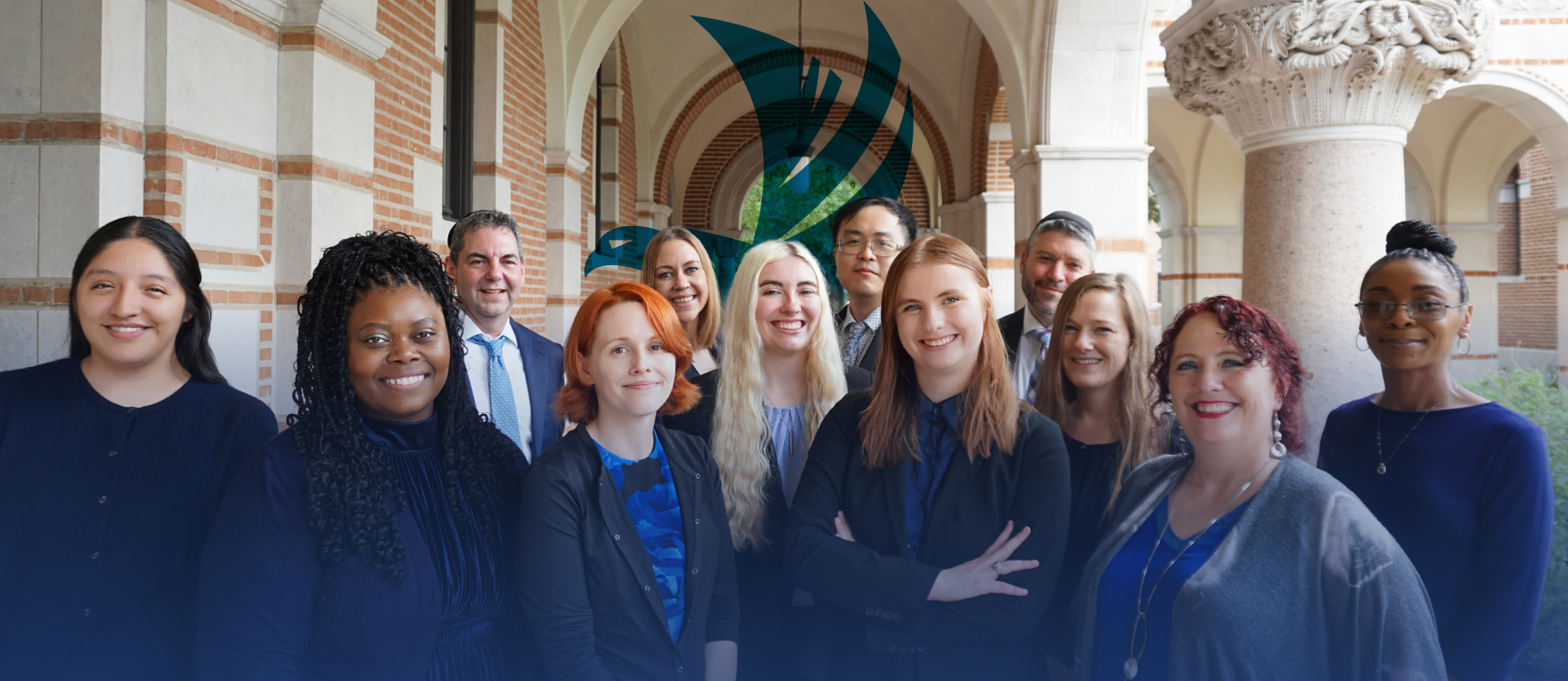
Meet Our Legal Team
A Nationwide Firm Focused on Disability, Federal Employment, and SSDI Law
-
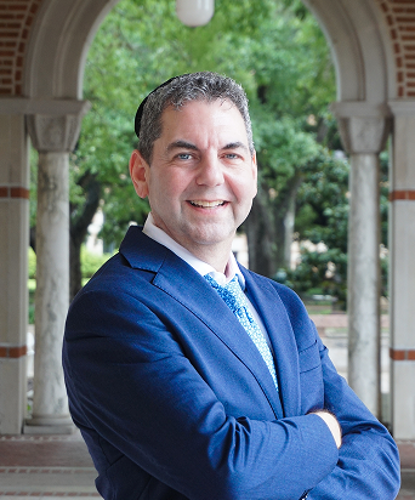 Eric Pines Attorney
 -
 Allan Feldman Attorney, Litigation Supervisor
 -
 Michael Kleinman Attorney
 -
 Jadyn Marks Attorney
 -
 Elliott Cin, Of Counsel Attorney
 -
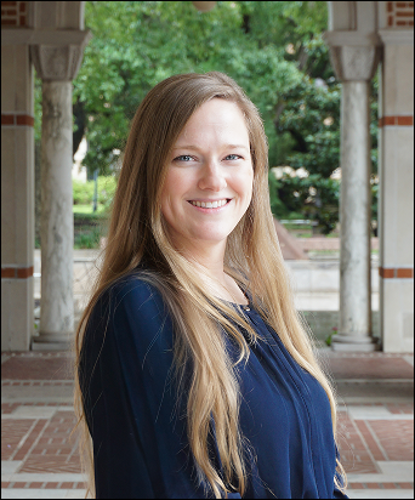 Menucha Slater Legal Assistant
 -
 Aaron Sacks SSDI Assistant
 -
 Michal Solomon Intern
 -
 Ari Rosen Paralegal, OPM Supervisor
 -
 Nicole Marquadt Paralegal, OPM Specialist
 -
 Michelle Cerrato Disability Specialist, OPM Specialist
 -
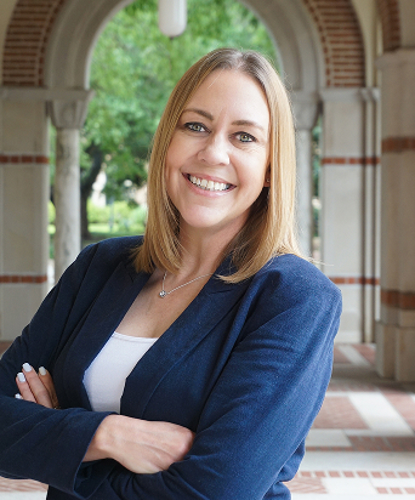 Courtney Bolton SSDI Supervisor
 -
 Asher Meir Pines Legal Assistant
 -
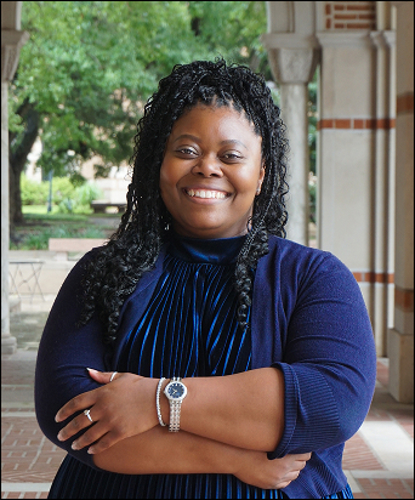 Angelica Holt Intake Specialist
 -
 Charlotte Mahar Chief of Staff
 -
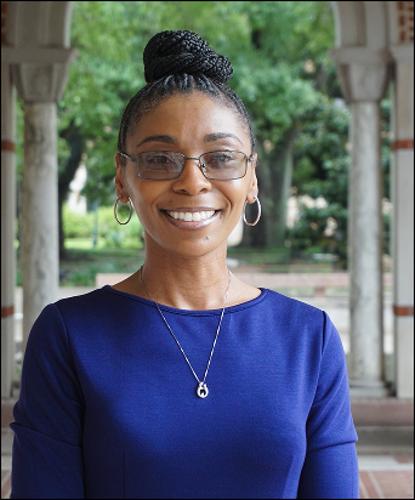 Quarshunna Young SSDI Case Manager
 -
 Brandon Rubin OPM Specialist
 -
Rabbi Dovid Lieberman OPM Specialist
-
 Avigail Pines OPM Specialist
 -
 Ethan Price OPM Specialist
 -
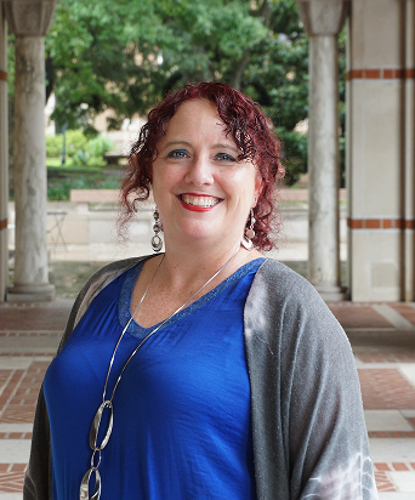 Elisabeth Madden Intake Specialist
 -
 Lidia Carrillo Intake Administrative Assistant
 -
 Kimberley Netshivhale Marketing Coordinator
 -
Elisheva Lomnitz Billing Specialist
Behind Every Case Is a Person Who Matters
Big-Picture Advocacy in Federal Employment and Disability Law — Driven by Compassion, Defined by Results
-
Pines Firm Successfully Litigates Reinstatement for VA Canteen Employee with Full Back Pay
Attorney Pines and AFGE 1633 were victorious in having the arbitrator find that a VA Canteen employee was wrongfully removed, and therefore should be put back to work and paid back pay for over a year and half of pay.
-
Wrongfully Terminated Veterans Administration Employee Gets Job Back & Full Back Pay
In an exciting precedent-setting victory, The Law Office of Eric L. Pines, PLLC has successfully helped a Veterans Administration employee get her job back after being wrongfully terminated for using leave for the birth of her child and to care for her autistic and blind children.
-
Major Success in Front of the MSPB in an OPM Disability Case
On July 19, 2023, Pines Federal achieved a big win in front of the Merit Systems Protection Board (MSPB) in an OPM disability case.