

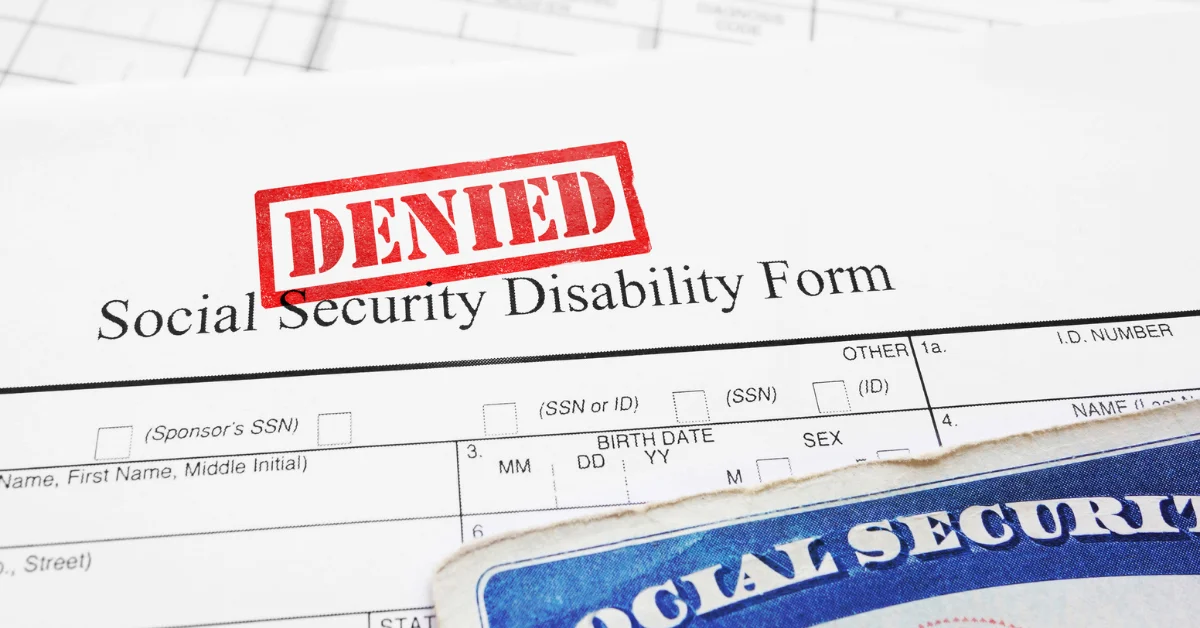
A denied SSDI claim is not the end of the process. Many claims are denied at the initial application stage, and federal employees may have evidence that SSA did not fully consider the first time.
An appeal should do more than ask SSA to review the same file again. It should identify why the claim was denied, correct gaps in the medical record, and explain how your condition affects your ability to sustain work.
For federal employees, that may include more than medical records. Agency documents, accommodation history, leave records, OPM disability retirement materials, and position descriptions may help show how a medical condition affected the job and why the worker can no longer maintain employment.
First, Understand Why SSA Denied the Claim
The denial letter is the starting point. Before you can strengthen the appeal, you need to understand what SSA believed was missing.
An SSDI denial may be based on issues such as:
- SSA decided your condition was not severe enough.
- The agency believed your impairment would not last at least 12 months.
- Your medical records did not explain your work-related limitations.
- SSA decided you could still perform your past work.
- SSA decided you could adjust to other work.
- Your earnings created questions about substantial gainful activity.
- The agency did not receive requested forms, records, or information.
The appeal should respond to the actual reason for denial. Submitting the same information again without addressing the problem may lead to another denial.
Understand the SSDI Appeal Stages and Deadlines
An SSDI appeal can move through several levels. Each stage has a different purpose, and each deadline matters.
- Reconsideration: This is the first appeal after an initial denial. SSA assigns the claim for another review, and the claimant can submit updated medical records, corrected forms, provider opinions, and additional evidence about work limitations. The request generally must be filed within 60 days after receiving the initial denial.
- Administrative Law Judge hearing: If reconsideration is denied, the next step is usually a hearing before an ALJ. This is often the most important stage because the claimant can testify, the attorney can present arguments, and the judge may hear from vocational or medical experts. The hearing request generally must be filed within 60 days after receiving the reconsideration denial.
- Appeals Council review: If the ALJ denies the claim, the Appeals Council can review the decision for legal errors, unsupported findings, or problems with how the evidence was handled. It may deny review, issue a decision, or send the case back for another hearing. The request generally must be filed within 60 days after receiving the ALJ decision.
- Federal court: If the Appeals Council denies review or issues an unfavorable decision, the claimant may be able to file a lawsuit in federal court. This is not a new disability hearing. The court reviews the administrative record to determine whether SSA followed the law and whether the decision was supported by substantial evidence.
Focus on Functional Limitations, Not Just Diagnoses
SSDI appeals are rarely won by diagnosis alone. SSA wants to know what your condition prevents you from doing in a work setting.
The evidence should address limitations involving:
- Sitting, standing, walking, lifting, carrying, reaching, or using your hands
- Concentration, memory, pace, and ability to complete tasks
- Attendance, reliability, and the need for unscheduled breaks
- Medication side effects
- Stress tolerance and ability to interact with supervisors, coworkers, or the public
- Flare-ups, symptom episodes, or bad days
- Whether you can sustain work on a regular and continuing basis
This is where many claims are underdeveloped. A medical record may confirm that a person has a serious condition but say little about why that condition prevents full-time work.
For federal employees, that gap can sometimes be addressed with medical opinions, agency records, accommodation history, and documentation showing how symptoms affected actual job performance.
Use Federal Employment Records Carefully
Federal employees often have workplace records that can support an SSDI appeal. These records can help show that the medical condition caused real, documented problems at work.
Useful records may include:
- Official position descriptions
- Reasonable accommodation requests and agency responses
- Leave records and attendance history
- Modified-duty or light-duty documentation
- Performance records connected to medical symptoms
- Fitness-for-duty materials
- Agency medical documentation
- OPM disability retirement filings
- Workers’ compensation records
- VA disability materials, when applicable
These documents should be used with care. A performance record, for example, may help if it shows that symptoms affected concentration, attendance, stamina, or productivity. But the record may need context so SSA understands the medical connection.
The goal is not to submit every document in your federal employment file. The goal is to identify the records that help explain why your condition prevents you from sustaining work.
Address Work Activity and Earnings
Work activity can be a major issue in SSDI appeals. SSA looks at whether a claimant is performing substantial gainful activity. For 2026, SSA lists the monthly SGA amount as $1,690 for non-blind individuals and $2,830 for blind individuals.
Federal employees may have complicated work histories during the disability period. Some are still technically employed. Others are on leave, working reduced hours, attempting modified duty, receiving paid leave, or trying to keep working despite worsening symptoms.
Those facts need to be explained clearly. SSA may need to understand whether work was reduced, subsidized, unsuccessful, performed under special conditions, or interrupted by the medical condition.
Strengthen the Medical Record Before the Hearing
If the case reaches an Administrative Law Judge hearing, the record should be as complete as possible before the hearing date.
Useful evidence may include:
- Updated treatment records
- Specialist records
- Objective testing
- Medication history
- Hospitalization or emergency treatment records
- Physical therapy, pain management, psychiatric, or counseling records
- Medical opinions explaining specific work restrictions
- Statements addressing absenteeism, off-task time, or inability to sustain full-time work
A short note saying “disabled” is usually not enough. A stronger medical opinion explains what the claimant can and cannot do and why those limitations are supported by the medical record.
Prepare for the Hearing Like It Matters
The ALJ hearing is often the most important stage of an SSDI appeal. SSA may use medical experts and vocational experts to provide evidence at hearings before an Administrative Law Judge. Vocational expert testimony can be especially important because it may address whether jobs exist for someone with your limitations.
Federal employees should be prepared to explain:
- What your federal job required
- Which duties you could no longer perform
- What accommodations were requested or attempted
- Why accommodations or modified work did not solve the problem
- How symptoms affect a normal day
- How often symptoms interfere with attendance, pace, or concentration
- What treatment has helped and what limitations remain
- Why they cannot sustain full-time work
Avoid Common Appeal Mistakes
SSDI appeals can be damaged by avoidable problems. Common mistakes include:
- Missing appeal deadlines
- Filing an appeal without reviewing the denial reason
- Relying only on diagnosis rather than functional limitations
- Failing to update medical records
- Ignoring work activity or earnings issues
- Submitting federal employment records without explanation
- Minimizing symptoms in medical appointments
- Giving testimony that does not match the medical record
- Waiting until the hearing is close to start preparing
Some inconsistencies have reasonable explanations. The appeal should address those issues directly instead of leaving SSA to draw its own conclusions.
Pines Federal Helps Federal Employees Appeal SSDI Denials
An SSDI appeal should be built around evidence, deadlines, and a clear explanation of why your medical condition prevents sustained work. For federal employees, that often means coordinating medical records with agency documentation, OPM disability retirement materials, accommodation history, and other employment-related evidence.
At Pines Federal, we help clients nationwide with matters involving federal employment and disability. If your SSDI claim has been denied, we can review the denial, identify weaknesses in the record, gather stronger evidence, and represent you through the appeal process.
Call (832) 462-7655 or contact us online to discuss your SSDI appeal.